Call Me
Domestic:+86-18169817259
Oversea:+86-13790081902
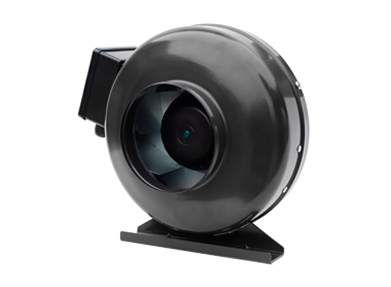
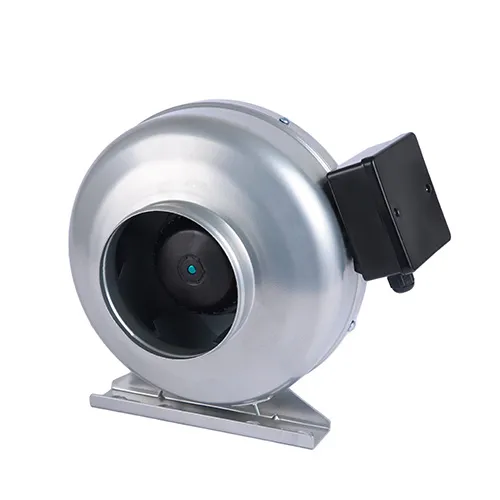
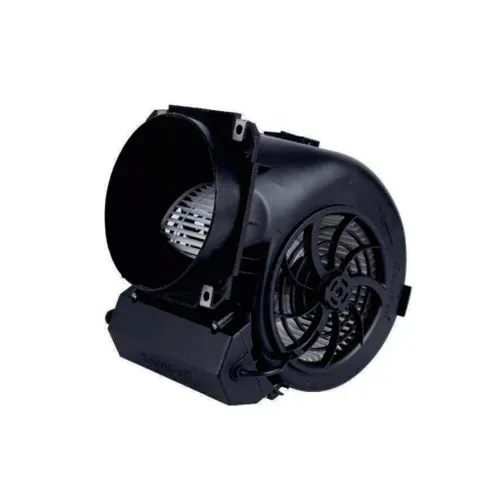
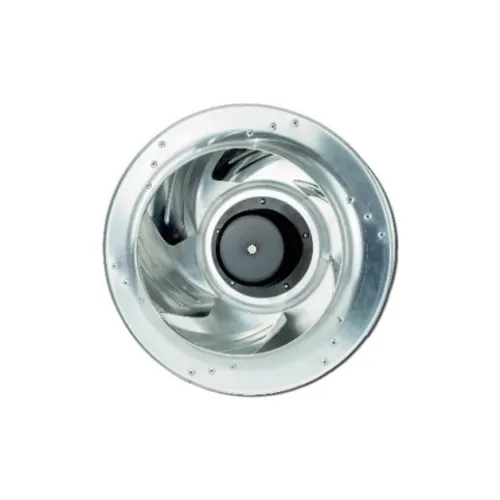
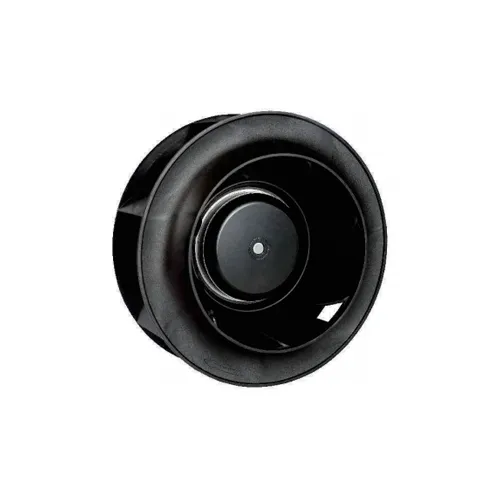
The working principle of Marine blower is mainly based on the principle of gas dynamics, through the conversion of mechanical energy into gas pressure energy and kinetic energy, to achieve gas transmission and circulation. The following is the working principle of several common Marine blowers:
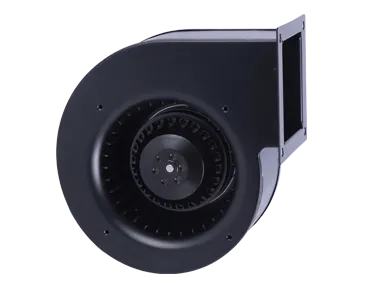
Centrifugal blowers are a common type of Marine blowers. Its working principle is: when the motor rotates, drive the fan impeller to rotate. The blades in the impeller draw in air and expel it under the action of centrifugal force. In the process of air flow, the kinetic energy is gradually converted into static pressure energy, so as to achieve the compression and transportation of gas. Centrifugal blower is suitable for large flow, low and medium pressure air applications.
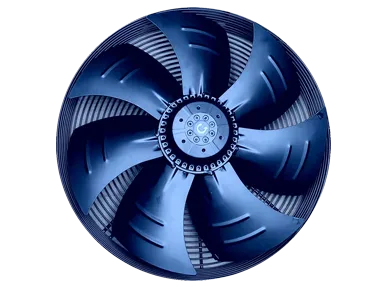
The working principle of axial blowers is different from that of centrifugal blowers. It is driven by the lift generated by the rotation of the impeller to promote the flow of gas. The gas enters the impeller from the axis, obtains energy under the action of the impeller blade, and is pushed out along the axis. Axial blower usually has a higher pressure coefficient and a lower flow coefficient, which is suitable for occasions where large air volume and low wind pressure are required.
Roots blower is a constant displacement rotary blower, its working principle is based on volume change. The Roots blower compresses and transports gas by two meshing rotors moving relative to each other in the cylinder. When the rotors rotate, the working volume formed between them and the cylinder wall constantly changes, thus completing the process of gas inhalation, compression and discharge. Roots blower has the characteristics of simple structure, smooth operation and suitable for various uses.
High-pressure blowers (also known as vortex blowers) generate centrifugal force through the rotation of the impeller, causing the gas to accelerate in a spiral rotation between the impeller blades. The gas is compressed and follows a spiral track through the impeller and side grooves, and finally exits through the exhaust port. High pressure blower can produce high gas pressure, suitable for the need for high pressure gas transmission.
The design of Marine blowers usually needs to consider the special environment and use requirements of the ship. For example, in order to prevent seawater corrosion, the main components of Marine blowers are galvanized; In order to reduce the size and weight, the centrifugal blower mostly uses the forward blade impeller; In order to facilitate disassembly and maintenance on board, the axial blower will be designed into an open housing structure. In addition, Marine blowers also need to have the characteristics of high efficiency and energy saving, low noise, vibration resistance, etc., to meet the needs of long-term stable operation of ships.
In summary, the working principle of the Marine blower is mainly based on the principle of gas dynamics, and the transmission and circulation of the gas is achieved through the conversion of mechanical energy into gas pressure energy and kinetic energy. Different types of Marine blowers differ in their working principle, but they are all designed to meet the specific gas handling needs of the ship.
Quick Links
 中文
中文  English
 한국어
한국어 français
 Deutsch
 Español
 italiano
 русский
 português
 العربية
 Türkçe
 Polska