Call Me
Domestic:+86-18169817259
Oversea:+86-13790081902
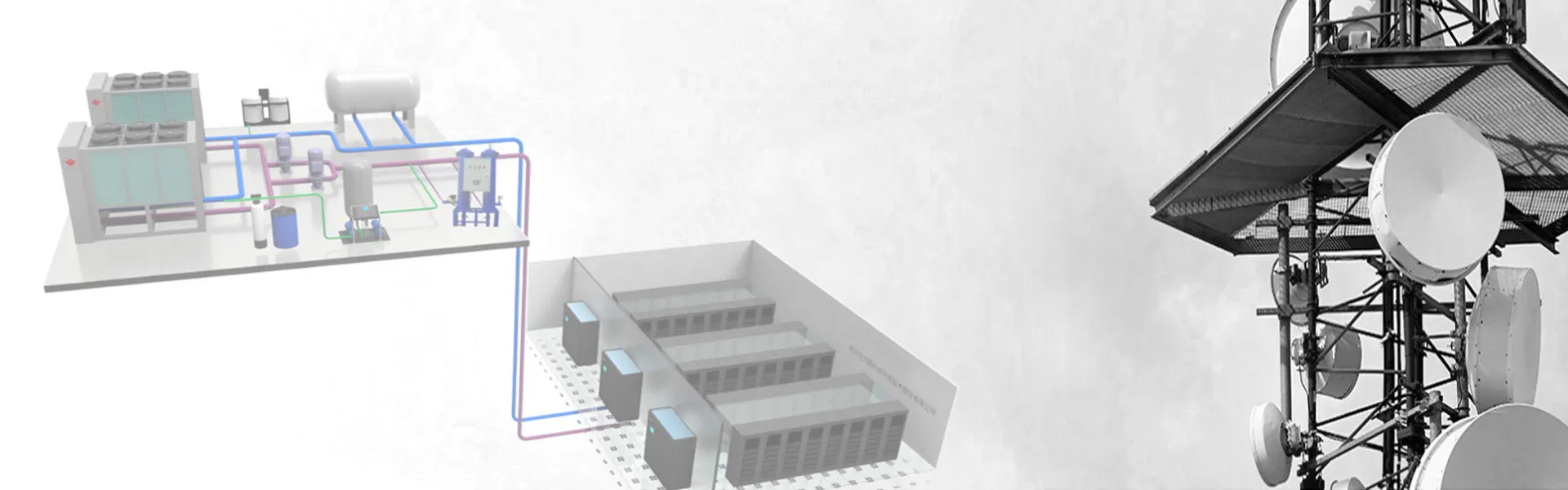
In the 5G communication industry, fans are critical components that ensure the stable operation of base stations, data transmission equipment, and core network devices. The high speed, large bandwidth, and low latency characteristics of 5G technology mean that equipment generates more heat, demanding higher requirements for cooling.
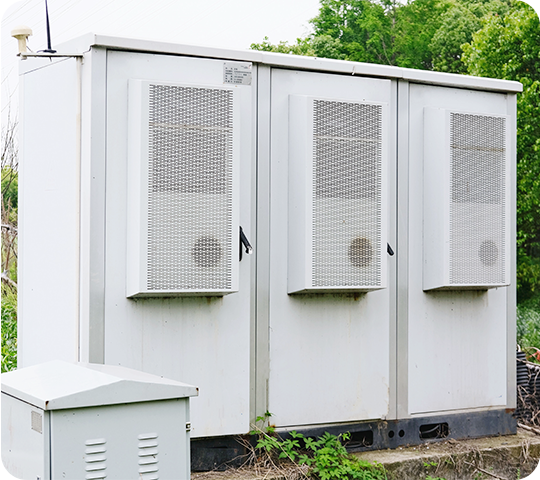
Practical application scenarios include:
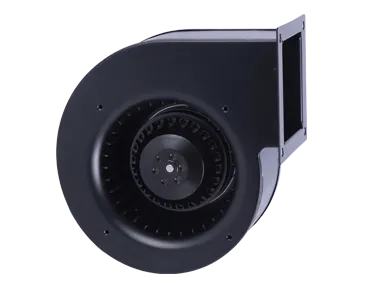
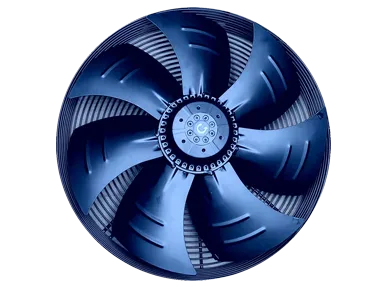
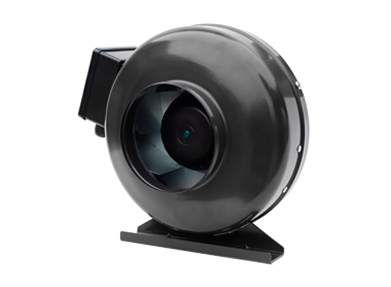
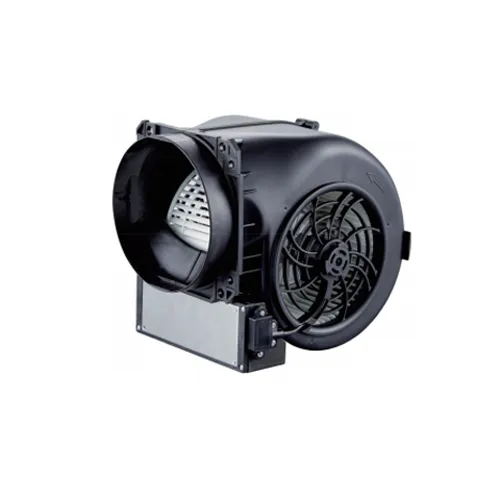
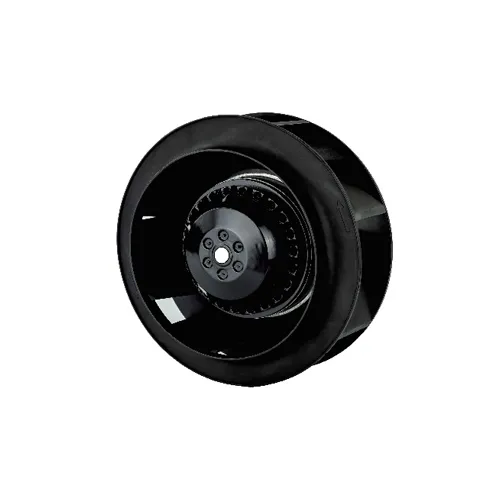
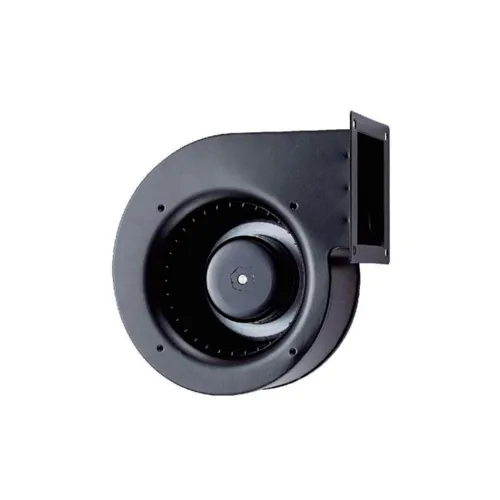
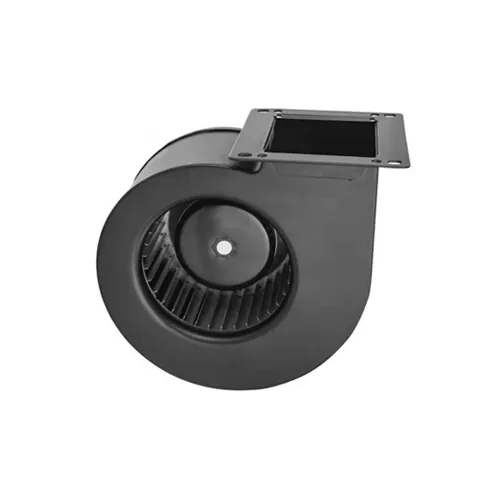
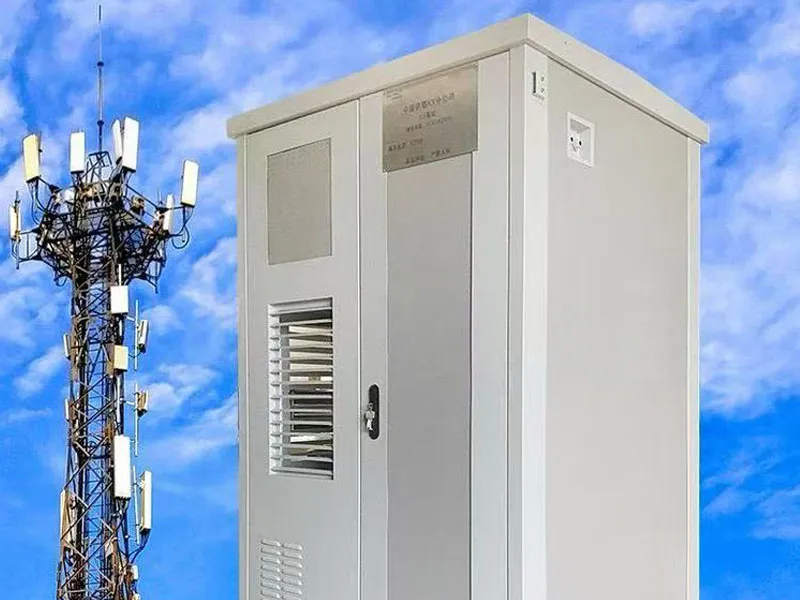
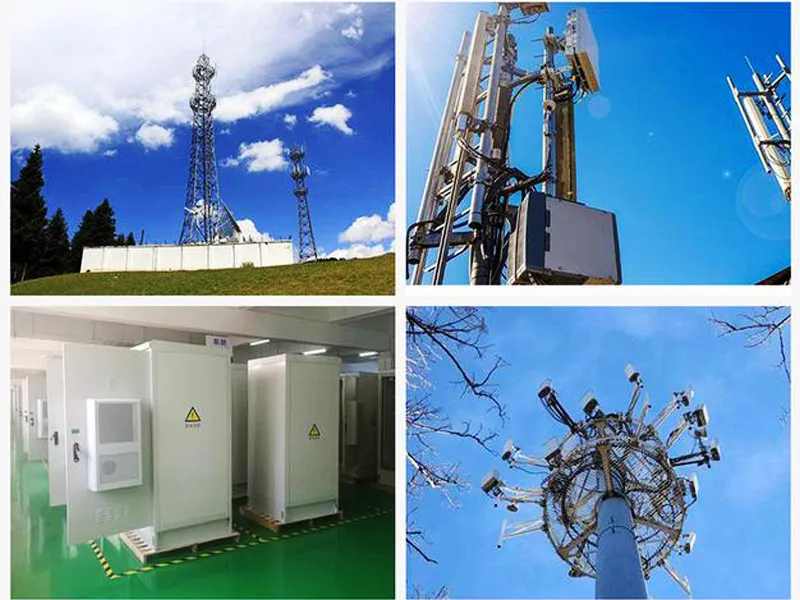
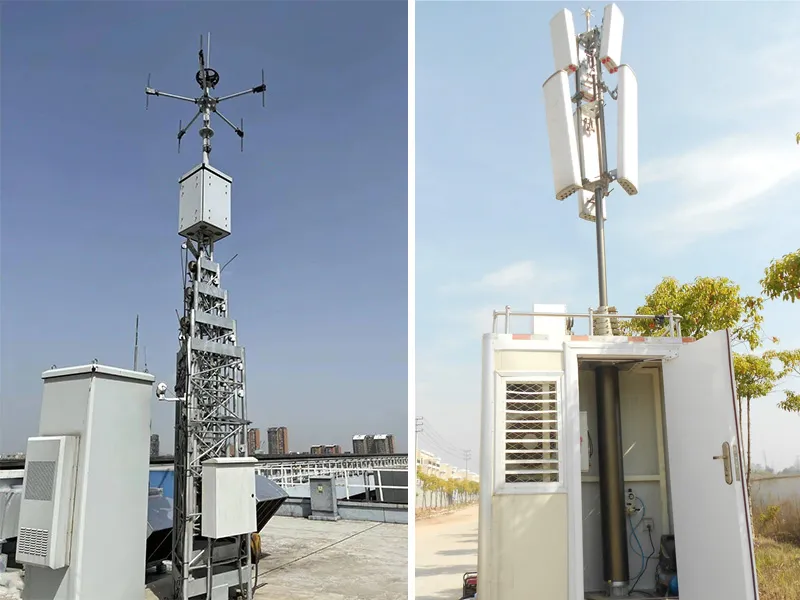
5G Base Station Cooling: Whether it's macro base stations, micro base stations, or indoor small cells, core equipment like the Radio Unit (RRU/AAU) and Baseband Unit (BBU) inside them require high-efficiency fans for heat dissipation. Compact, highly reliable EC axial or centrifugal fans are typically used to ensure stable operation even in extreme outdoor environments.
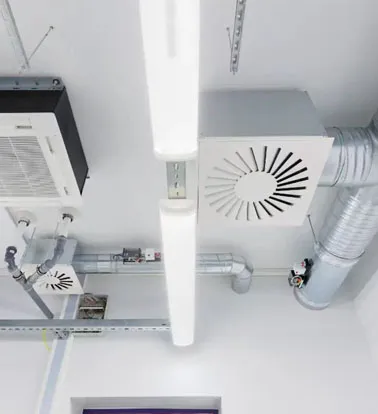
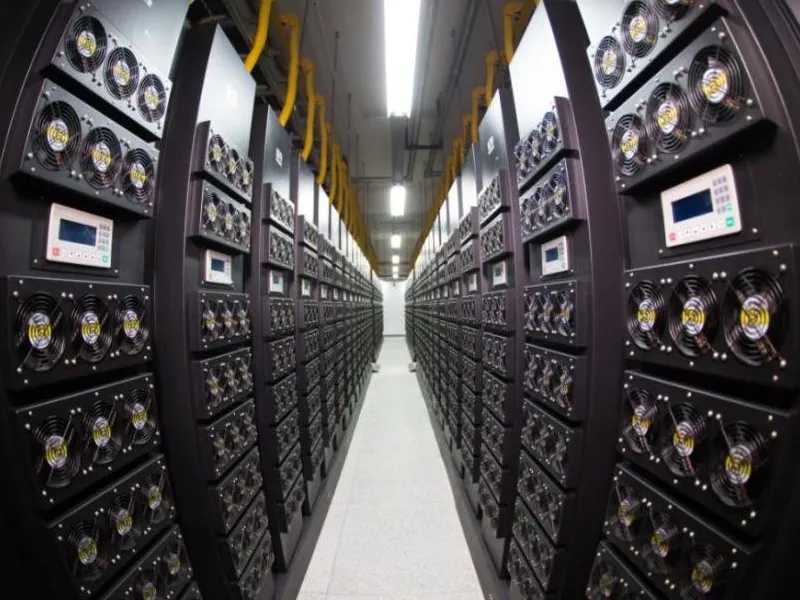
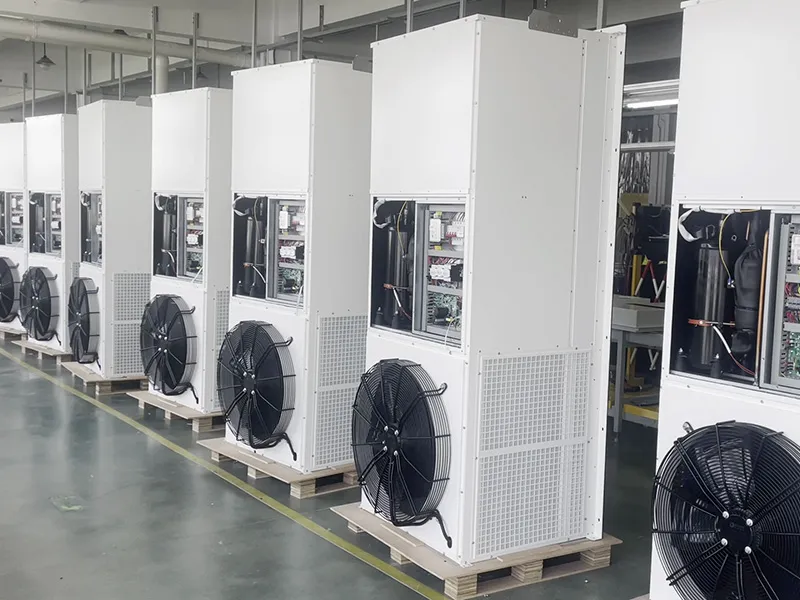
Communication Equipment Rooms and Edge Computing Nodes: These locations house a large volume of network equipment, necessitating comprehensive temperature control solutions. Fans play a central role in precision air conditioners (CRAC/CRAH) or standalone fan walls, ensuring constant room temperature and humidity to prevent equipment overheating.
Data Transmission and Switching Equipment: Within high-density data processing equipment like routers and switches, miniature fans are relied upon for point-to-point cooling.
For fan selection, the 5G industry particularly emphasizes:
High Cooling Efficiency and Compact Size: To accommodate tight equipment designs.
High Reliability and Long Lifespan: To ensure uninterrupted operation of the communication network.
Low Power Consumption: To reduce operating costs, especially for widely distributed base stations.
Wide Temperature Range Adaptability: To function normally in various harsh outdoor environments.
Intelligent Control: To support automatic speed adjustment based on temperature, achieving energy savings and noise reduction.
In essence, fans act as "invisible guardians" in the 5G communication network, and their performance directly impacts the quality and stability of 5G services.
Quick Links
 中文
中文  English
 한국어
한국어 français
 Deutsch
 Español
 italiano
 русский
 português
 العربية
 Türkçe
 Polska