Call Me
Domestic:+86-18169817259
Oversea:+86-13790081902
Marine blowers play a vital role in ships, and their uses are wide and diverse. The following is a detailed summary of the main uses of Marine blowers:
Cabin ventilation: The cabin is usually closed, and staying for a long time will lead to dirty air. Blowers can force air circulation, introduce fresh air, increase oxygen content, improve air quality, and benefit the physical health of crew and passengers.
Air supply: In the air conditioning system of the ship, the blower is used to transport air, ensure the normal operation of the air conditioning system, and provide a comfortable temperature and humidity environment for the cabin.
Combustion equipment oxygen supply: the blower can provide the required oxygen for the combustion equipment in the cabin (such as boilers, incinerators, etc.), so that the combustion is more adequate, improve the combustion efficiency, reduce the consumption of fuel, and thus reduce the energy consumption of the ship.
Reduce humidity: High humidity in the cabin is easy to breed mold, affecting the health of the crew. The blower can reduce humidity and improve the cabin environment by discharging humid air and introducing dry air.
Heat dissipation and ventilation: blowers can also be used to enhance the effects of ventilation and heat dissipation of ships, and promote the stability and safety of equipment operation.
Oil smoke and odor treatment: there may be pollutants such as oil smoke and odor in the cabin. The blower can discharge indoor air in time after pollutant discharge, replace polluting substances with fresh air, and reduce the risk of pollution to the crew.
Thrust of hovercraft: In special ship types such as hovercraft, the blower is also used as a thrust device to help the hovercraft travel at high speed on the water surface.
Emergency blast: In the emergency system of the ship, the blower (also known as the auxiliary fan), as part of the main engine scavenging system, provides the necessary intake pressure and intake volume when the main engine is started and maneuvering.
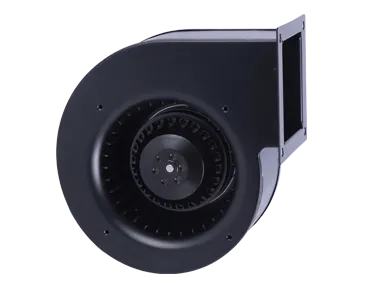
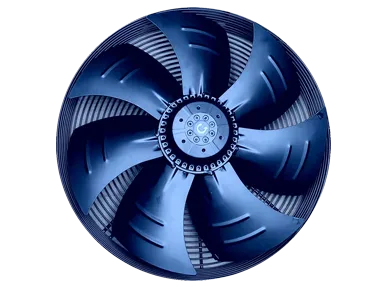
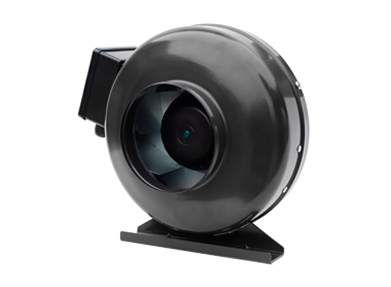
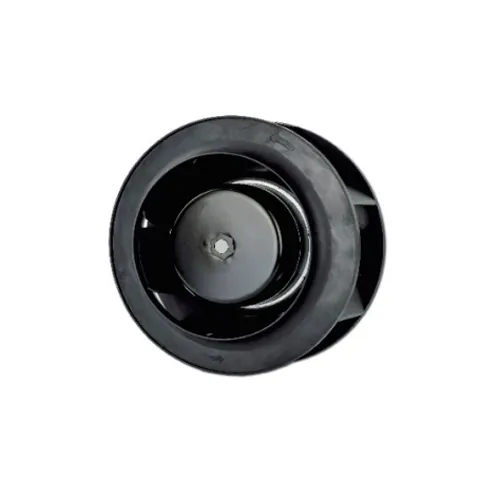
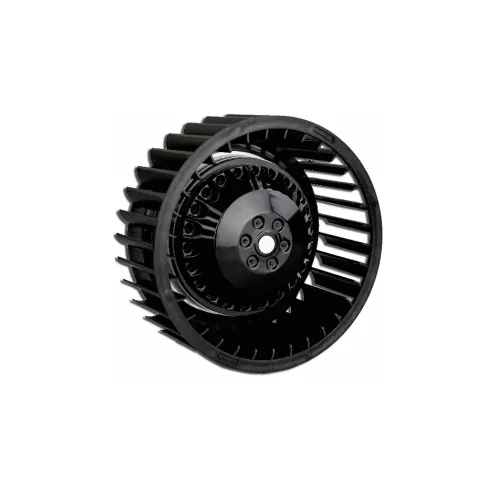
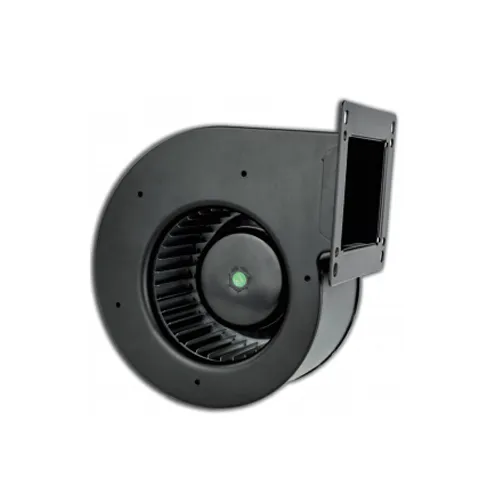
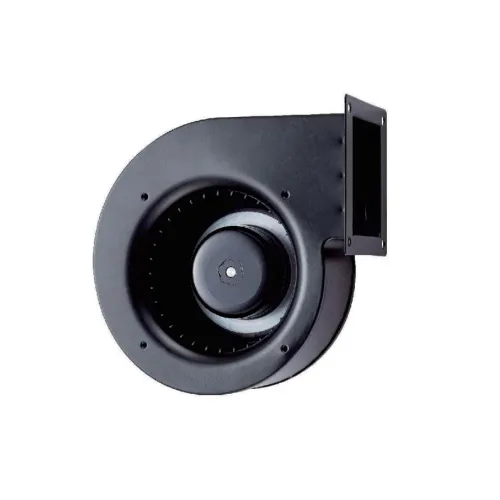
Type: Marine blowers mainly include two types of centrifugal blowers and axial blowers. Centrifugal blower is suitable for large flow, low and medium pressure air occasions; Axial blower is more suitable for large air volume, low wind pressure occasions.
Features: Marine blowers are usually required to be small, light, strong and energy efficient. In order to prevent seawater corrosion, some of the main components of the blower will be galvanized. In addition, Marine blowers must also have the characteristics of corrosion resistance and vibration resistance.
To sum up, Marine blowers are widely used and important on ships. They are not only related to the comfort and health safety of the crew and passengers, but also directly affect the operational efficiency and economic benefits of the ship.
Quick Links
 中文
中文  English
 한국어
한국어 français
 Deutsch
 Español
 italiano
 русский
 português
 العربية
 Türkçe
 Polska