Call Me
Domestic:+86-18169817259
Oversea:+86-13790081902
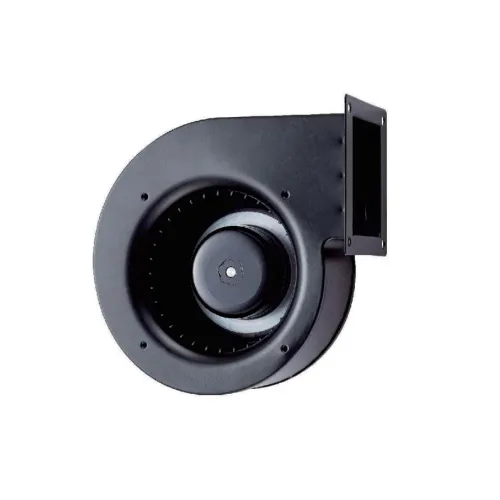
Marine blowers play an important role in the operation of ships, but because of the complex working environment and high frequency of use, there are often some failures. Here are some common failures of Marine blowers and their possible causes:
Switch failure: may be due to the quality of the switch itself, the use of too long aging, or caused by environmental effects such as humidity.
Unstable power supply voltage: too low or too high power supply voltage may cause the blower to not work properly, or even damage the motor.
Motor failure: such as motor coil burned, motor bearing damage, etc., may be due to motor overload, long-term overheating, poor lubrication and other reasons.
Bearing damage: bearing lack of lubrication, long-term wear, foreign body intrusion, etc., may lead to bearing damage, which will affect the normal operation of the blower.
Gear wear: For blowers with gear drives, gear wear can lead to reduced transmission efficiency, increased noise and other problems.
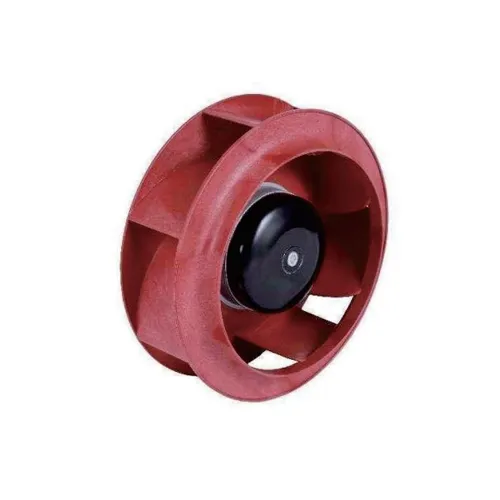
Impeller failure: impeller deformation, corrosion, wear, etc., will affect the performance of the blower, and even cause the blower to fail to work.
Air intake or outlet blockage: there may be various sediments and debris inside the ship, which may block the air intake or outlet of the blower, resulting in reduced air volume or not working properly.
Blockage inside the pipeline: The inside of the pipeline may also be blocked due to sediment, foreign matter and other reasons, affecting the flow of gas.
Abnormal sensors, such as pressure, temperature, and liquid level: These sensors are used to monitor the working status of the blower. If the sensors are faulty, the blower may fail to automatically start or stop or work abnormally.
Solenoid valve, relay, PLC and other components failure: these components are an important part of the blower control system, if the failure may cause the blower to not work properly or control failure.
Excessive vibration: may be caused by unbalanced impeller, bearing damage, loose anchor bolts and other reasons.
High temperature: may be due to motor overload, poor heat dissipation, high ambient temperature causes.
Insufficient flow: may be due to pipeline blockage, impeller wear, motor speed decline and other reasons caused.
In order to avoid the failure of Marine blowers, the following preventive measures can be taken:
Regular inspection and maintenance: Regular inspection and maintenance of the blower, including cleaning, lubrication, fastening, etc.
Keep clean: Keep the blower and its surrounding environment clean to avoid dust and debris entering the blower.
Pay attention to the conditions of use: When using the blower, pay attention to the stability of the power supply voltage and avoid long-term overload operation.
Train the crew: train the crew on the correct blower operation and maintenance to improve their operation skills and maintenance awareness.
To sum up, the common faults of Marine blowers include electrical faults, mechanical faults, pipeline blockages, sensor faults, control system failures, etc. In order to avoid these failures, a series of preventive measures need to be taken to ensure the normal operation of the blower.
Quick Links
 中文
中文  English
 한국어
한국어 français
 Deutsch
 Español
 italiano
 русский
 português
 العربية
 Türkçe
 Polska