Call Me
Domestic:+86-18169817259
Oversea:+86-13790081902
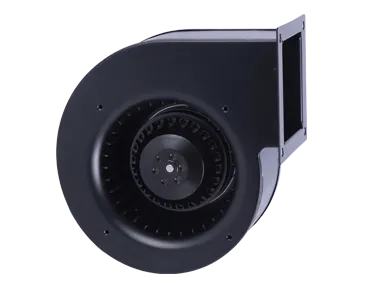
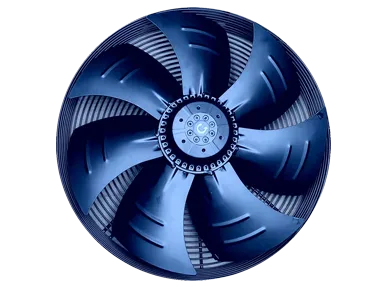
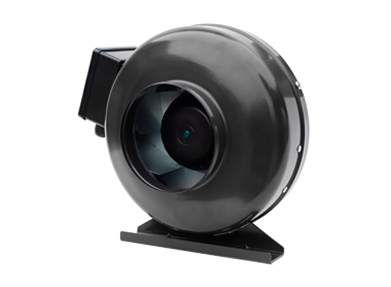
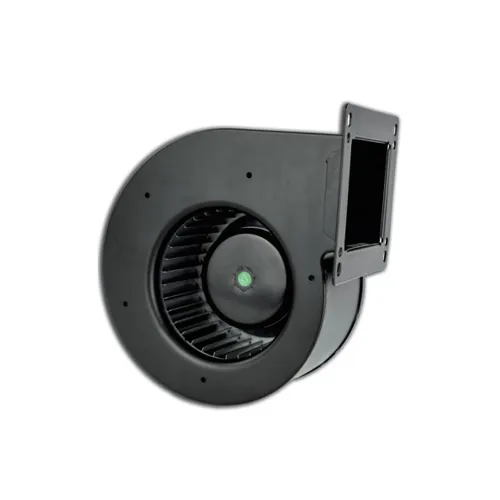
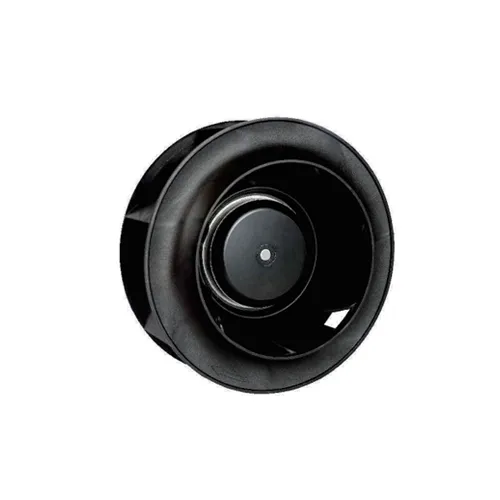
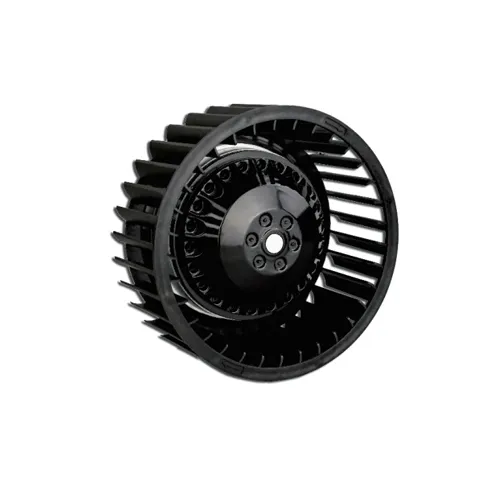
The use of Marine blowers varies according to the specific model and use, but it can generally be summarized as the following basic steps:
Check the equipment: Before starting the Marine blower, it should be carefully checked whether the equipment is in good condition, including whether the key components such as the motor, impeller, bearings, seals are damaged or loose. Meanwhile, check whether power cables and ground cables are safe and reliable.
Lubrication maintenance: For Marine blowers that need to be lubricated, appropriate amount of lubricating oil or grease should be added according to the requirements of the equipment manual to ensure the smooth operation of the equipment.
Connecting pipes: According to the use of the Marine blower, the corresponding pipes are connected to the inlet and outlet of the blower. Make sure the pipe connection is tight and there is no leakage.
Power on: Connect the power cord of the Marine blower to a stable power supply, and ensure that the power supply voltage and frequency are consistent with the equipment requirements.
Start the motor: Press the start button or rotary switch to start the motor of the Marine blower. In the starting process, attention should be paid to the operation of the motor, if there is an anomaly should be stopped in time for inspection.
Adjust the air volume: Adjust the air volume by adjusting the speed of the fan or the opening of the damper according to the actual needs.
Observe the operating state: During the operation of the Marine blower, the operating state of the equipment should be regularly observed, including the motor temperature, bearing temperature, vibration, etc. If there is any abnormality, stop the machine in time for inspection.
Monitoring sound: Listen to the running sound of the Marine blower is normal, if there is abnormal sound should be stopped in time for inspection.
Record data: Record the operation data of the Marine blower as required, such as air volume, wind pressure, current, voltage, etc., for subsequent analysis and maintenance.
Close the damper: Before stopping, close the damper or reduce the air volume to reduce the load on the equipment.
Cut off power: Press the stop button or rotary switch to cut off power to the Marine blower.
Check the equipment: After the shutdown, the equipment should be inspected and maintained, including cleaning dust and checking whether fasteners are loose.
Safe operation: When operating Marine blowers, safety operation procedures should be strictly observed to ensure personal and equipment safety.
Maintenance: Regular maintenance of the Marine blower, including cleaning, lubrication, fastening, etc., to extend the service life of the equipment.
Troubleshooting: If a fault occurs during the operation of the equipment, stop the machine in time and contact professionals for maintenance.
Please note that the above method of use is only for general guidance, and the specific operation should refer to the equipment manual of the Marine blower and the ship's operating code. At the same time, different models of Marine blowers may be different in the operation method, so it is necessary to carefully read the relevant equipment instructions and follow the guidance of professionals before the actual operation.
Quick Links
 中文
中文  English
 한국어
한국어 français
 Deutsch
 Español
 italiano
 русский
 português
 العربية
 Türkçe
 Polska